Disclosure: As an Amazon Associate I earn from qualifying purchases. This doesn’t change our picks or what we say about them.
Does Shaving Cause Acne? Truth About Razor Bumps and Breakouts
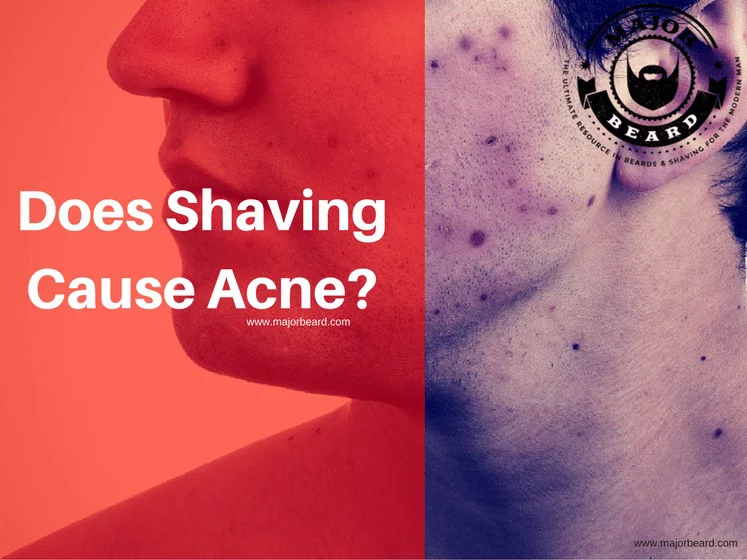
Acne is a condition that affects 85% of people at some stage in their lives. It presents as red, angry pimples (usually in clusters) in various areas of the body, but especially the face and neck. These pimples appear as a result of inflamed or infected sebaceous glands, which leads to an aggressive skin reaction.
Acne can be unsightly and embarrassing, and can potentially leave unwanted scarring in chronic cases. It usually appears during adolescence, which is also the same time a young man will begin shaving. But can shaving actually cause acne to appear?
Before exploring the answer to the question, Does Shaving Cause Acne? it is important to understand the difference between acne and shaving rash / razor bumps.
Does Shaving Cause acne? Acne vs Razor Bumps
When people ask does shaving cause acne?, the confusion often comes from mixing up razor bumps with acne breakouts. Razor bumps are small, red, or pink spots that often appear after a close shave, especially when using multi-blade razors. With these razors, the first blade lifts the hair out of the follicle while the second or third blade slices the hair beneath the skin’s surface, creating that smooth, clean-shaven feeling many men want.
The problem is that the skin naturally tries to repair itself quickly. A new layer of skin forms over the freshly cut hair root, and when the hair begins to grow back, it pushes against the skin. This causes irritation, swelling, and redness as the hair struggles to break through. The result is a red, inflamed bump that looks like a pimple—commonly seen on shaved areas like the neck, chin, and cheeks. This is why many people think shaving directly causes acne, when in reality, these are razor bumps, not true acne pimples.
Acne, on the other hand, has different underlying causes. While acne may look similar to razor bumps, it is driven by biological factors such as hormones and bacteria. Hormonal activity—especially during adolescence—triggers skin changes that can lead to acne breakouts. Testosterone, the male hormone that influences beard growth, voice depth, and even metabolism, also stimulates androgen receptor cells in the skin. When testosterone levels fluctuate, the skin can react by overproducing oil, which clogs pores and leads to acne.
Lifestyle choices like regular exercise, a balanced diet, and stress management can help regulate hormones and reduce acne. However, persistent or severe breakouts should be discussed with a doctor or dermatologist.
Bacteria also plays a significant role. The bacteria responsible for acne, Propionibacterium acnes, naturally lives on the skin. Normally harmless, it becomes problematic when clogged pores trap excess oil and dead skin cells, creating a breeding ground for bacterial growth. The immune system responds by sending cells to fight the bacteria, leading to swelling, redness, and pus-filled pimples. Unlike razor bumps, acne can appear almost anywhere—your forehead, scalp, cheeks, chin, back, chest, and arms.
One common myth is that eating chocolate causes acne. The truth is, diet has far less influence than hormones, bacteria, or shaving irritation. So while you might struggle with breakouts from shaving or hormonal imbalance, indulging in a chocolate bar won’t make your acne worse.
In short, while shaving can lead to razor bumps and shaving pimples, it doesn’t directly cause acne. Understanding the difference between shaving irritation and acne breakouts is key to finding the right treatment and preventing unnecessary skin problems. So does Shaving Cause Acne?
Does shaving cause acne? Shaving With Acne
Acne can make shaving really difficult. If you have a large, pussy white-head on your chin surrounded by stubble, the last thing you want to do is run a sharp razor over it. Yet, leaving it alone would mean not leaving the house for several days!
Shaving over acne can worsen the acne because it further irritates the skin. Also, the application of certain shaving gels and aftershaves can make the acne worse by clogging the pores further – we will touch on this later in the article.
An electric razor is one option for acne sufferers of any age. An electric razor doesn’t tend to cut as deep as a three-blade razor, so may not irritate the acne as much, and certainly will reduce the risk of razor bumps. Here are three of the most popular electric razors for acne sufferers:
Panasonic ES-LA63-S Arc4 Men’s Electric Razor, 4-Blade Cordless with Wet/Dry Shaver Convenience

- BUNDLE INCLUDES: Philips Norelco Shaver 7600, Travel case, Quick Clean Pod, 3 Philips Norelco Quick Clean Pod cartridges…
- Made of up to 250,000 micro-tech beads per square cm, Nano SkinGlide coating improves gliding on skin by up to 30%*, to …
- With up to 90,000 cutting actions per minute, the SteelPrecision blades shave close, cutting more hair per stroke*. The …
If you get razor bumps or breakouts after shaving, an electric shaver is worth trying, because the blades do not scrape directly across your skin. The Norelco 7600 is a wet and dry rotary shaver, so you can use it with gel in the shower or dry when you are short on time.
It replaces the Norelco 8900 we recommended before, which is no longer sold on Amazon. Clean the heads regularly, since bacteria building up on any razor can make breakouts worse.
Pros
- Use it wet or dry
- Rotary heads follow the shape of your face
- Rechargeable and cordless
Cons
- Costs more than a manual razor
- Replacement heads add to the running cost
Shaving Products For Acne
So back to the answer to the question, Does Shaving Cause Acne? While shaving itself may not be the root cause of acne, it can make acne worse through the razor type and products such as shaving creams, foams and aftershaves.
As a rule of thumb, cheap foams and gels contain unwanted, unnecessary chemicals which do not benefit your skin in the slightest. They’re usually added to make the product longer lasting and able to transform from a gel to a foam while being applied.
Rubbing these chemicals into your already-sore spots can make them sting and swell even more.
It is best to swap to an organic, lightweight shaving cream with added moisturiser to keep your skin happy and settled. Here are three particularly effective products:
The Body Shop For Men Maca Root Shave Cream Regular, 6.3 Fluid Ounces

- The Body Shop For Men Maca Root Shave Cream Regular
Features
- The Body Shop For Men Maca Root Shave Cream Regular
Contains Peruvian maca root which refreshes and softens the skin, preparing it for a cleaner, healthier shave.
Kiss My Face Moisture Shave Shaving Cream, Green Tea & Bamboo Shaving Soap, 11 oz

Features
- This remarkable 11oz shaving cream in convenient pump is second to none with unique 4 in 1 formula shaving cream provides a clean shave while it softens, smoothes, soothes, and moisturizes your skin-use on legs, face, and underarms.
- In addition to the Olive Oil and Coconut Oil moisturizers this shave soap includes Golden Seal, Lemongrass, and Aloe Vera to sooth plus a natural Green Tea & Bamboo scent to revitalize your scenses
- Let this one-of-a-kind moisture shave shaving cream nourish naturally with it’s exceptional botanical blends including Lemongrass and Soapwort for cleansing
- Phthalate-free
- Every ingredient in this product is deeply thought out from the Goldenseal to protect against nicks and scratches to the Lady’s Mantle which acts as an astringent and even cooling peppermint.
An organic shaving cream packed with pore clearing properties such as green tea.
Maison Lambert Organic Aftershave Balm for Men – Amazing for Sensitive Skin – Protective, Soothing and moisturizing, a Must Have for a Perfect Shave – Free Shipping – 2oz
Features
- 99% Organic – Vegan – Handmade in the pure French Tradition
- Alcohol Free and Chemical Free
- Heal, Soothe and Moisturize your face
- Hypoallergenic
- No animal testing – Free of Parabens, Sulfates, Dyes, Toxins, artificial fragrances, Ethyl Alcohol, Phenoxyethanol, DEA and petroleum oil!
A lightweight, organic aftershave balm with no alcohol or preservatives.
Does Shaving Cause Acne? Top Tip:
Many organic, natural shaving products contain coconut oil or shea butter. While these gorgeous ingredients smell and feel amazing, they can clog the pores and make acne worse. It is best to choose lighter natural ingredients such as green tea, lemonbalm, mint and berries.
Product Ingredients To Avoid
When purchasing a shaving gel, cream or soap, it is good to look on the ingredients list first to ensure you’re not going to do your acne more harm by applying the product.
Common ingredients to avoid are:
- Potassium Chloride
- Sodium Laurel Sulfate
- Acetylated Lanolin Alcohol
- Benzoic Acid
- Coconut oil
- Avocado oil
- Carrageenans
- Dioctyl Succinate
- Glyceryl-3-Disostearate
- Hydrogenated Vegetable Oil
- Isostearyl Isostearate
- Myristic Acid
- PG Monostearate
- Sodium Chloride
- Sulfated Castor Oil
Does Shaving Cause Acne? The Bottom Line
Once again, Does Shaving Cause Acne? Acne isn’t directly caused by shaving, but shaving can worsen acne. Shaving can also cause acne-like symptoms known as shaving bumps. In order to allow your acne to clear up, and avoid irritating it, there are steps you can take such as buying a different type of razor and watching out for harmful ingredients in your shaving products.
Acne can be unavoidable, especially within adolescence, but will clear up on its own. Often there are common biological or psychological factors that are behind the problem. You can, however, continue to shave safely without worsening your acne as long as you are mindful about your shaving products and techniques.
Love the article does cause acne? Why not check out more of our shaving articles